
The Aerofilms Collection
The Britain from Above website features images from the Aerofilms collection, a unique aerial photographic archive of international importance. The collection includes 1.26 million negatives and more than 2000 photograph albums. Dating from 1919 to 2006, the total collection presents an unparalleled picture of the changing face of Britain in the 20th century. It includes the largest and most significant number of air photographs of Britain taken before 1939.
The collection is varied and includes urban, suburban, rural, coastal and industrial scenes, providing important evidence for understanding and managing the built and natural environments.
The collection was created by Aerofilms Ltd, a pioneering air survey company set up in 1919 by First World War veterans Francis Lewis Wills and Claude Grahame-White. In addition to Aerofilms’ own imagery, the firm expanded its holdings with the purchase of two smaller collections – AeroPictorial (1934-1960) and Airviews (1947-1991).
This very large collection of historical air photographs was bought by Royal Commission on the Ancient and Historical Monuments of Scotland (RCAHMS), English Heritage (EH), and the Royal Commission on the Ancient and Historical Monuments of Wales (RCAHMW) from Blom ASA in 2007.
The Britain from Above website features images from the Aerofilms collection, a unique aerial photographic archive of international importance. The collection includes 1.26 million negatives and more than 2000 photograph albums. Dating from 1919 to 2006, the total collection presents an unparalleled picture of the changing face of Britain in the 20th century. It includes the largest and most significant number of air photographs of Britain taken before 1939.
The collection is varied and includes urban, suburban, rural, coastal and industrial scenes, providing important evidence for understanding and managing the built and natural environments.
The collection was created by Aerofilms Ltd, a pioneering air survey company set up in 1919 by First World War veterans Francis Lewis Wills and Claude Grahame-White. In addition to Aerofilms’ own imagery, the firm expanded its holdings with the purchase of two smaller collections – AeroPictorial (1934-1960) and Airviews (1947-1991).
This very large collection of historical air photographs was bought by Royal Commission on the Ancient and Historical Monuments of Scotland (RCAHMS), English Heritage (EH), and the Royal Commission on the Ancient and Historical Monuments of Wales (RCAHMW) from Blom ASA in 2007.
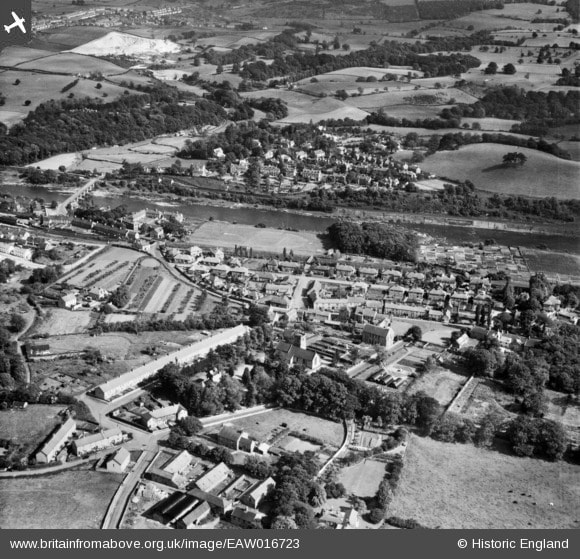
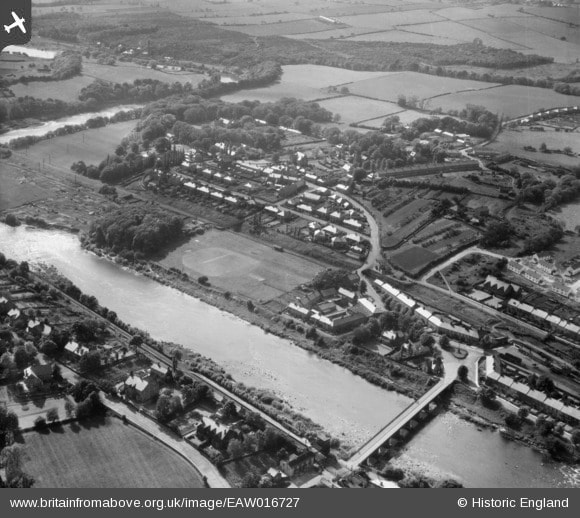
EAW016723 ENGLAND (1948). The village, Wylam, 1948.
Register on the website for free to get the ability to zoom into the photos, save photos to your profile, add pins with comments, and download low resolution images for personal use.
If you want to compare the aerial photos to contemporary maps have a look at:
OS Sheet NZ16SW - A 1:10,560 (Surveyed / Revised: 1940 to 1951, Published: 1951)
OS Sheet NZ16NW - A 1:10,560 (Surveyed / Revised: 1940 to 1951, Published: 1951)
OS Sheet Durham I.11 1:2,500 (Revised: 1940, Published: 1947)
If you want to compare the aerial photos to contemporary maps have a look at:
OS Sheet NZ16SW - A 1:10,560 (Surveyed / Revised: 1940 to 1951, Published: 1951)
OS Sheet NZ16NW - A 1:10,560 (Surveyed / Revised: 1940 to 1951, Published: 1951)
OS Sheet Durham I.11 1:2,500 (Revised: 1940, Published: 1947)
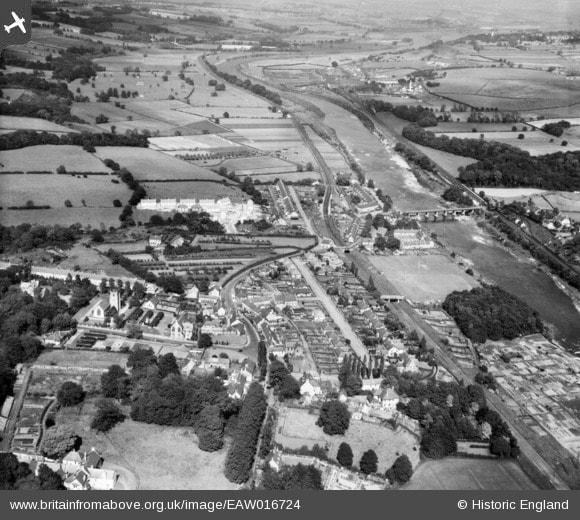
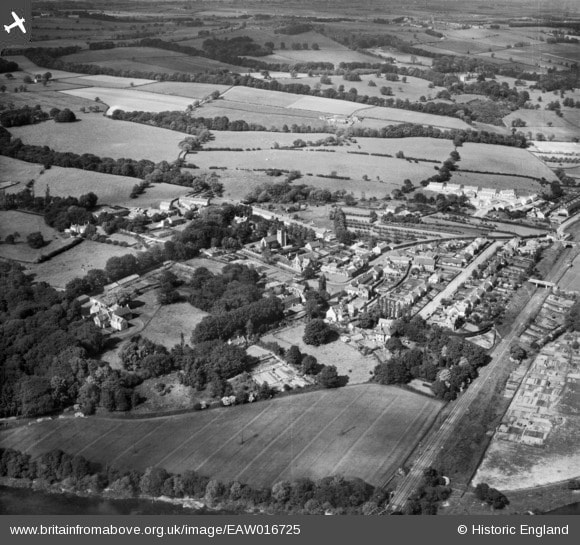
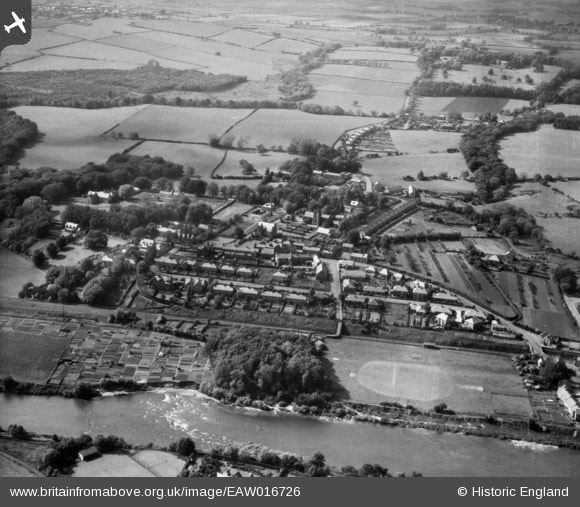
Wylam Castle
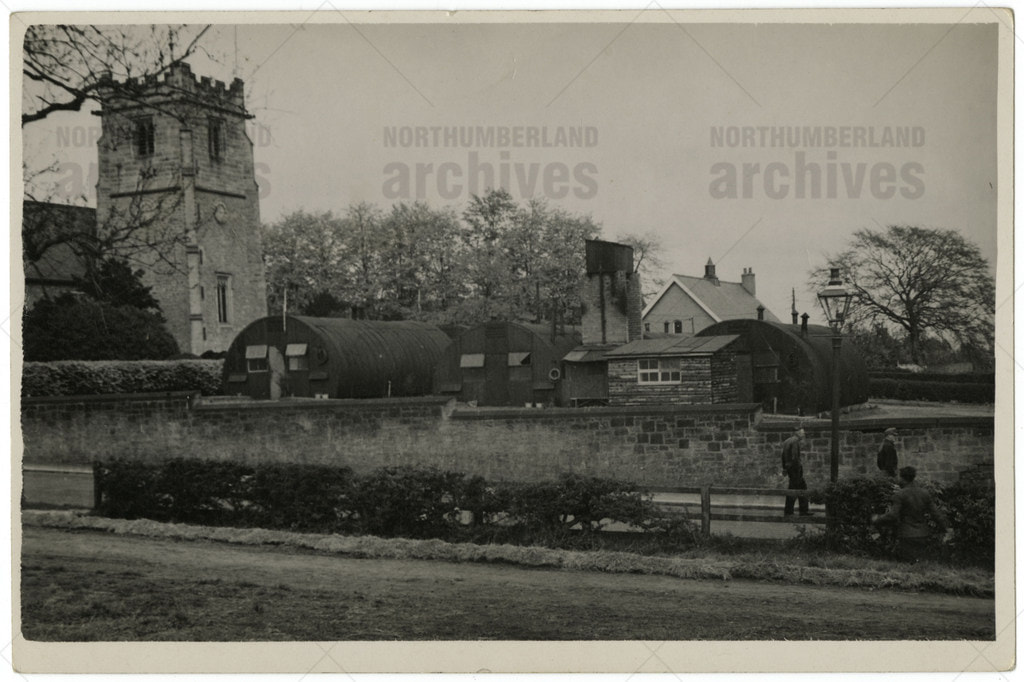
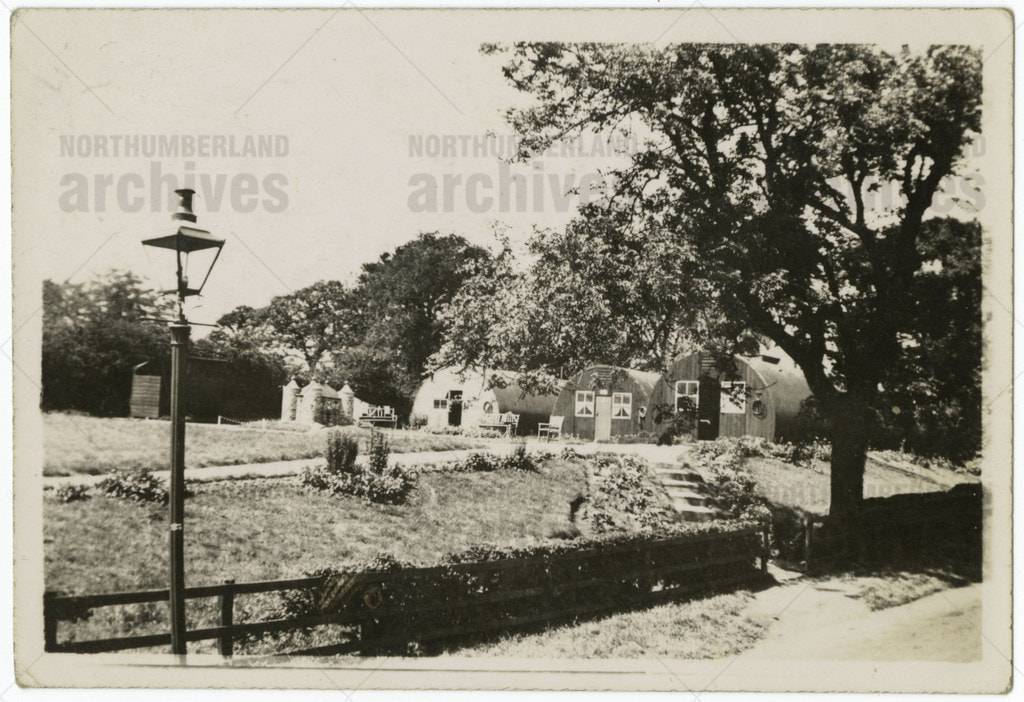
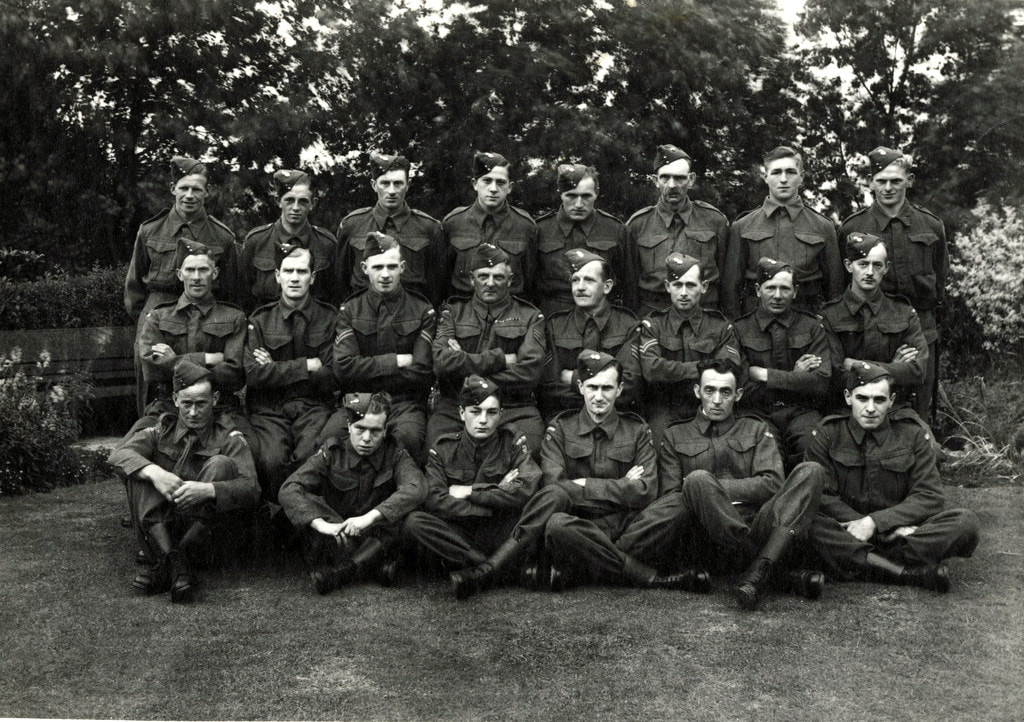
During the Second World War there were both German and Italian POW camps located close to St Oswin's Church in Wylam with the nissen huts visible on several of these 1948 aerial photos. On some of them you can also see what I think was 'Wylam Castle'.
.
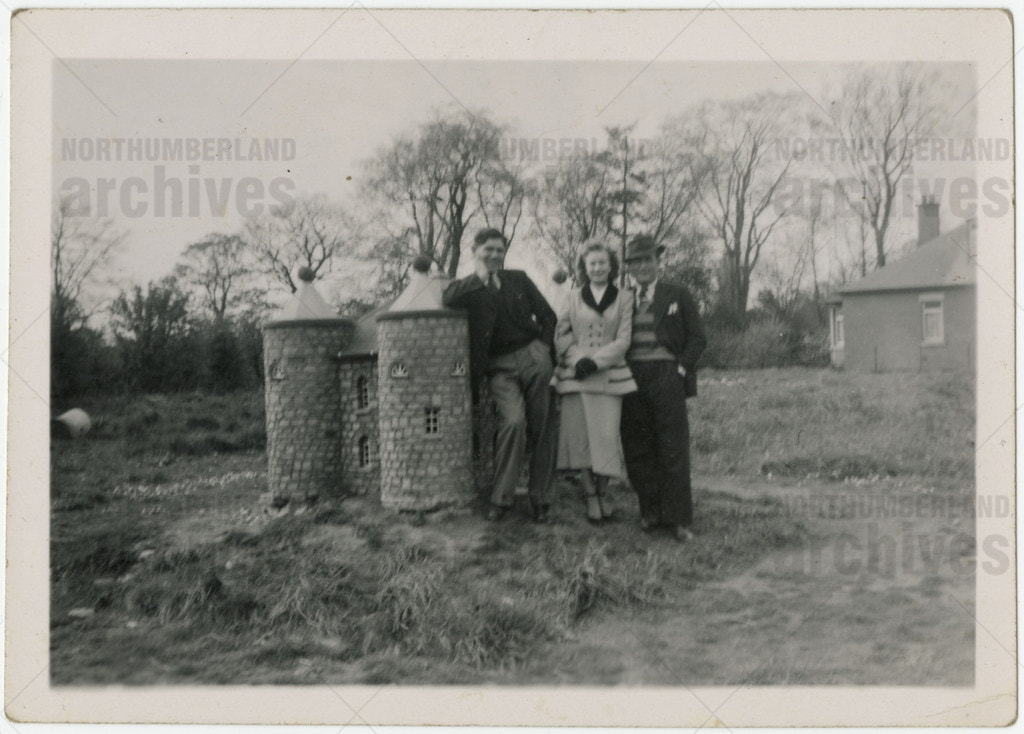
German prisioners, over a period of just eight days in 1947, built a 3 foot high Bavarian castle in the gardens around their nissen huts. It was built using using stones from the river with roofs made from tins and had four towers, electric lighting and elaborate home-made furniture, and a ball room with tapestries and carpets.
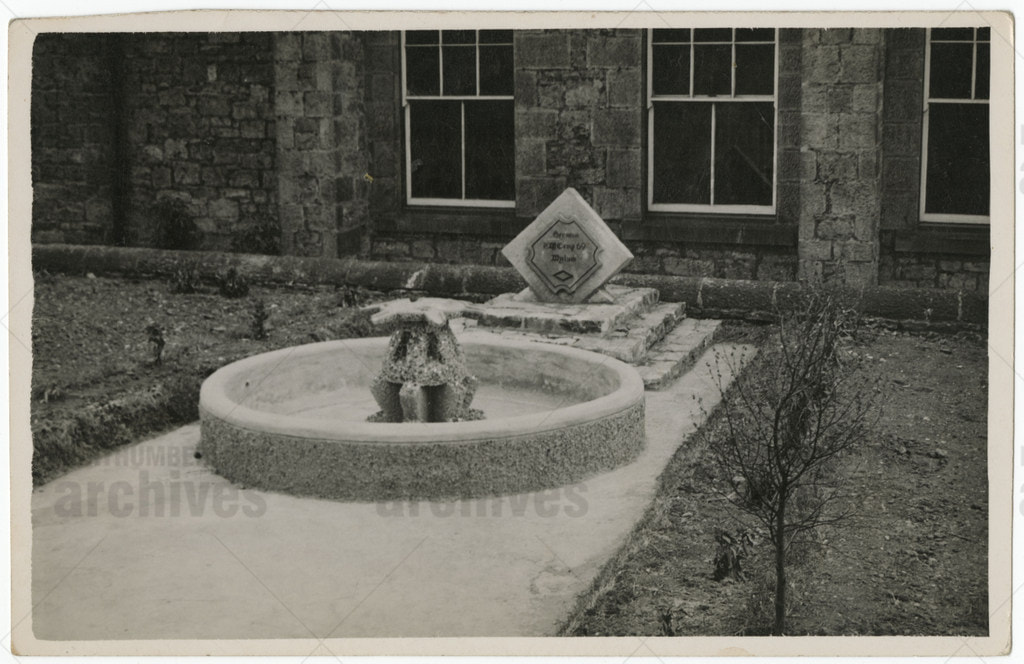
The front door could be opened and closed automatically and the castle even had its own ornamental fountain. A discreet panel above the front door read ‘Built by German prisoners’ and it was intended as a lasting reminder of their stay in Wylam.
It attracted hundreds of sightseers over the next two years, but in May 1949, a lorry appeared on the site, the castle was lifted from its foundations and is reported to have fallen into pieces.
During the Second World War there were both German and Italian POW camps located close to St Oswin's Church in Wylam with the nissen huts visible on several of these 1948 aerial photos. On some of them you can also see what I think was 'Wylam Castle'.
.
German prisioners, over a period of just eight days in 1947, built a 3 foot high Bavarian castle in the gardens around their nissen huts. It was built using using stones from the river with roofs made from tins and had four towers, electric lighting and elaborate home-made furniture, and a ball room with tapestries and carpets.
The front door could be opened and closed automatically and the castle even had its own ornamental fountain. A discreet panel above the front door read ‘Built by German prisoners’ and it was intended as a lasting reminder of their stay in Wylam.
It attracted hundreds of sightseers over the next two years, but in May 1949, a lorry appeared on the site, the castle was lifted from its foundations and is reported to have fallen into pieces.
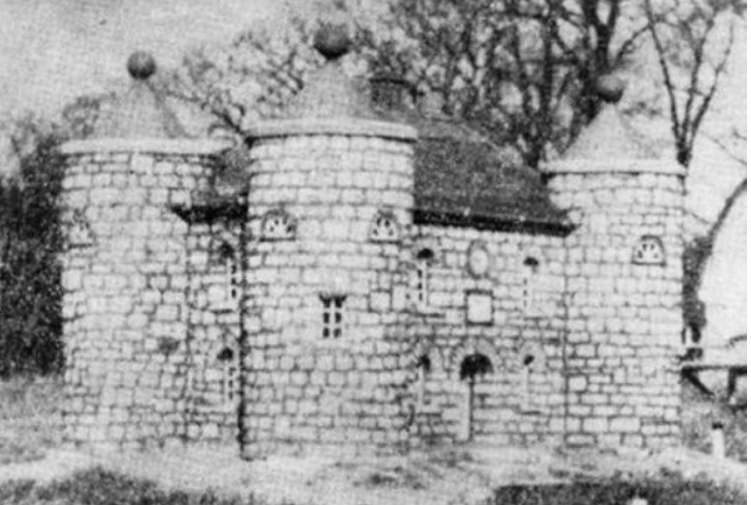
Wylam Castle. Photo from Tynedale at War 1939-1945 by Brian Tilley (2017)
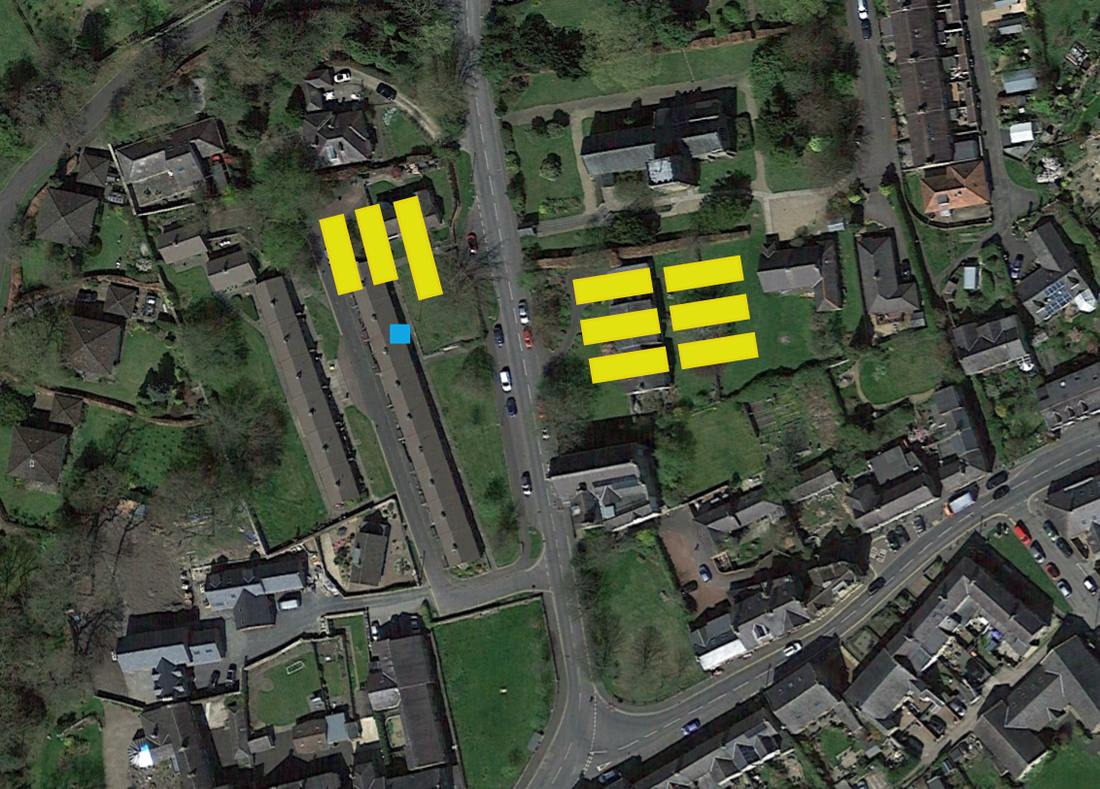
Satellite image fom Google Earth (2015) annotated to show approximate location of nissen huts of POW Camps (yellow) and the Bavarian Castle (blue).
The two arrays of huts (on west and east sides of the road) are apparently shown on the 1:10,560 (6" to 1 mile) map published in 1951.
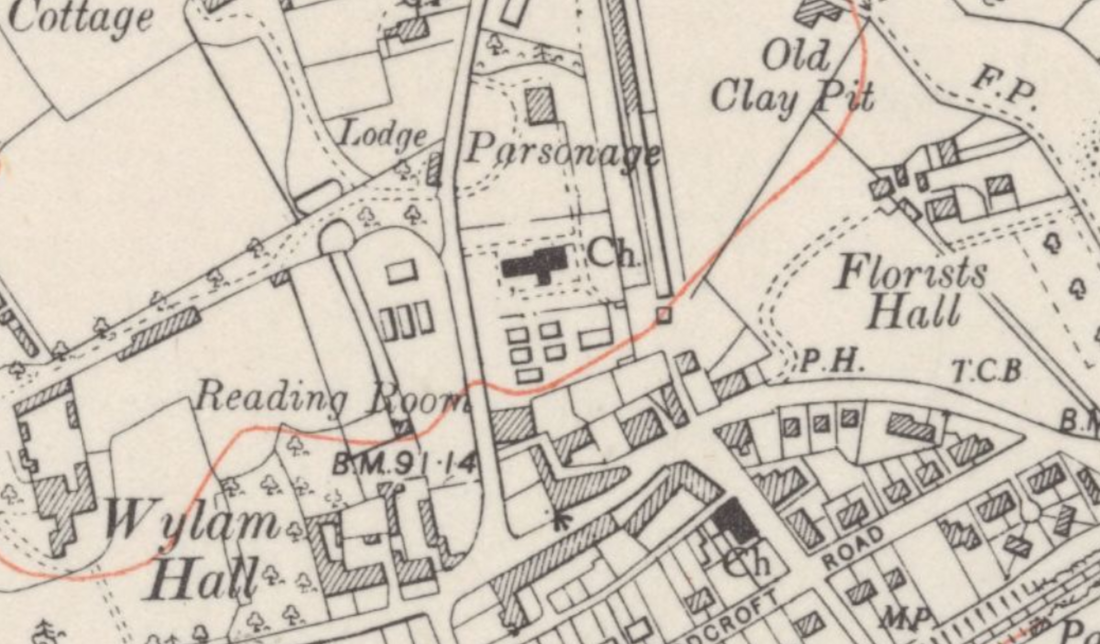
OS Sheet NZ16SW - A 1:10,560 (Published: 1951)
Surviving prisoner of war tells of life on Tyneside
ChronicleLive: 1st January 2011
FORCED to live in a foreign land, Rudi Kuhnbaum made a life for himself on Tyneside.
Now, 65 years on from the Second World War, the former German prisoner of war is believed to be one of the oldest remaining of those who stayed on in Britain.
The 91-year-old was captured by British troops on his 25th birthday in 1944 and brought to a prisoner of war camp in the Tyne Valley at Wylam.
Rudi remained in captivity for five years, later being billeted to a farm in nearby Heddon-on-the-Wall.
When faced with the option of returning to Germany in 1949, Rudi had no choice but to remain in England.
His parents had disappeared without a trace in the Russian occupied East Germany and the country was in economic post-war turmoil.
But Rudi has fallen in love with the North East people and started looking for work as a pork butcher – the job his father had done.
He married Geordie lass Audrey in 1957 and the pair ran J. Sawyer Pork butchers on Shields Road in Byker for 30 years.
Rudi, now of Fenham, Newcastle, said: “When the war ended it wasn’t a case of not wanting to return to Germany – I couldn’t."
“My parents were dead although my two younger sisters had managed to flee into West Germany.”
Rudi and six friends, who have all since passed away, all settled in the North East.
He said: “My father was a pork butcher so when I went to the labour exchange I told them that was my trade. The people here were fantastic – the family I lived with in Heddon were great people."
“I remember when I started working on the farm the farmer asked me if I spoke English and I told him yes.
“Later that day we were moving some sheep and he said, ‘Gan on hinny shove the buggers doon,’ and I had no idea what he was saying. I thought I knew English but Geordie was a whole other language.”
Rudi was conscripted into the army and for two years fought on the Eastern Front. He witnessed the daily horrors of war and lived in awful and freezing conditions. He said: “The conditions were impossible. We had little proper clothing and the temperatures were so low."
When the snow melted in the spring it revealed piles and piles of dead German and Russian soldiers. “It was terrible. I couldn’t work out what all the slaughter had been for.”
After being wounded in the leg by a shell Rudi was brought back to France where he worked as an ambulance driver, before being captured by the British in 1944.
Rudi and Audrey, 82, have two sons Malcolm, 54, and Alistair, 37, and three grandchildren.
Camps for prisoners
OVER 400,000 German soldiers were held as prisoners of war in the UK.
Across the country there were 350 large camps housing the Germans and over 150,000 Italian soldiers. In the North East there were 15 camps, with Wylam, where Rudi Kuhnbaum was kept, home to around 300 men at a time.
After 1949 there were 25,000 men who stayed in the country with 796 recorded marriages to English women.
ChronicleLive: 1st January 2011
FORCED to live in a foreign land, Rudi Kuhnbaum made a life for himself on Tyneside.
Now, 65 years on from the Second World War, the former German prisoner of war is believed to be one of the oldest remaining of those who stayed on in Britain.
The 91-year-old was captured by British troops on his 25th birthday in 1944 and brought to a prisoner of war camp in the Tyne Valley at Wylam.
Rudi remained in captivity for five years, later being billeted to a farm in nearby Heddon-on-the-Wall.
When faced with the option of returning to Germany in 1949, Rudi had no choice but to remain in England.
His parents had disappeared without a trace in the Russian occupied East Germany and the country was in economic post-war turmoil.
But Rudi has fallen in love with the North East people and started looking for work as a pork butcher – the job his father had done.
He married Geordie lass Audrey in 1957 and the pair ran J. Sawyer Pork butchers on Shields Road in Byker for 30 years.
Rudi, now of Fenham, Newcastle, said: “When the war ended it wasn’t a case of not wanting to return to Germany – I couldn’t."
“My parents were dead although my two younger sisters had managed to flee into West Germany.”
Rudi and six friends, who have all since passed away, all settled in the North East.
He said: “My father was a pork butcher so when I went to the labour exchange I told them that was my trade. The people here were fantastic – the family I lived with in Heddon were great people."
“I remember when I started working on the farm the farmer asked me if I spoke English and I told him yes.
“Later that day we were moving some sheep and he said, ‘Gan on hinny shove the buggers doon,’ and I had no idea what he was saying. I thought I knew English but Geordie was a whole other language.”
Rudi was conscripted into the army and for two years fought on the Eastern Front. He witnessed the daily horrors of war and lived in awful and freezing conditions. He said: “The conditions were impossible. We had little proper clothing and the temperatures were so low."
When the snow melted in the spring it revealed piles and piles of dead German and Russian soldiers. “It was terrible. I couldn’t work out what all the slaughter had been for.”
After being wounded in the leg by a shell Rudi was brought back to France where he worked as an ambulance driver, before being captured by the British in 1944.
Rudi and Audrey, 82, have two sons Malcolm, 54, and Alistair, 37, and three grandchildren.
Camps for prisoners
OVER 400,000 German soldiers were held as prisoners of war in the UK.
Across the country there were 350 large camps housing the Germans and over 150,000 Italian soldiers. In the North East there were 15 camps, with Wylam, where Rudi Kuhnbaum was kept, home to around 300 men at a time.
After 1949 there were 25,000 men who stayed in the country with 796 recorded marriages to English women.
WW2 Peoples War - Wylam
Wylam Wartime Memories of Constance Smith
by newcastlecsv
"Then we got prisoners of war. The first lot were Italians and they built huts in the field opposite the church. That was quite a novelty. They didn't speak any English, so we couldn't talk to them, but they went to work on the local farms who had lost their young workers to the war effort, so they were very important. When the Germans came a lot of them spoke English so you could chat to them. One time they built their own model Bavarian castle, which created quite a bit of interest."
Wylam Wartime Memories of Constance Smith
by newcastlecsv
"Then we got prisoners of war. The first lot were Italians and they built huts in the field opposite the church. That was quite a novelty. They didn't speak any English, so we couldn't talk to them, but they went to work on the local farms who had lost their young workers to the war effort, so they were very important. When the Germans came a lot of them spoke English so you could chat to them. One time they built their own model Bavarian castle, which created quite a bit of interest."
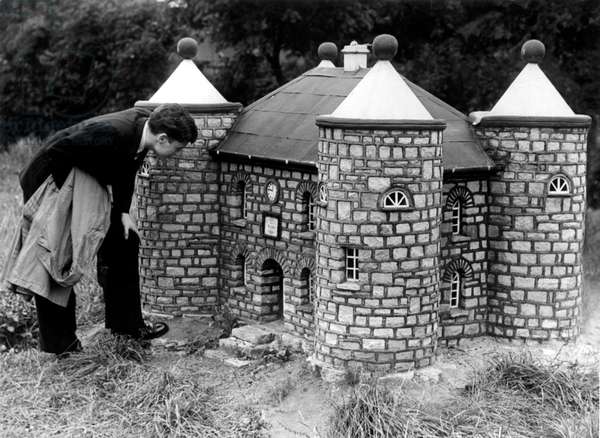
04/08/1948 © Mirrorpix / Bridgeman Images
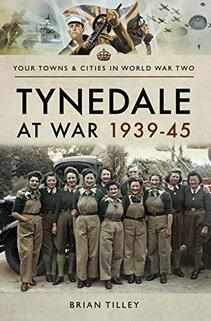
Tynedale at War 1939–1945
by Brian Tilley (2017)
There was an interesting development at Wylam, where German prisoners had their headquarters in Nissen huts while working on local farms. Among them were a carpenter and stonemason, who decided to augment the neat gardens they had created around the huts with something special. Over a period of just eight days, they built a mini castle in the gardens, with four towers, electric lighting and elaborate tapestries and carpets they had made themselves.
The three-foot high masterpiece was made using stones lifted from the bed of the Tyne by fellow prisoners, and the roof was made out of tins salvaged from the camp kitchens. Prisoners also constructed the furniture, embroidered tapestries and wove the carpet for the grand banqueting hail. Electricity was piped in from the Nissen huts and an ingenious homemade device allowed the front door to be opened and closed electronically. Wylam Castle even had its own ornamental fountain.
A discreet panel above the front door read ‘Built by German prisoners’ and it was intended as a lasting reminder of their stay in Wylam. Completed in 1947, it attracted hundreds of sightseers over the next two years, but some villagers were unhappy about this reminder of the war years, no matter how cleverly constructed. One day in May 1949, a lorry appeared on the site, and the castle was lifted from its foundations and driven away, never to be seen again ... although rumours persist it still has pride of place in someone’s back garden in the district!
by Brian Tilley (2017)
There was an interesting development at Wylam, where German prisoners had their headquarters in Nissen huts while working on local farms. Among them were a carpenter and stonemason, who decided to augment the neat gardens they had created around the huts with something special. Over a period of just eight days, they built a mini castle in the gardens, with four towers, electric lighting and elaborate tapestries and carpets they had made themselves.
The three-foot high masterpiece was made using stones lifted from the bed of the Tyne by fellow prisoners, and the roof was made out of tins salvaged from the camp kitchens. Prisoners also constructed the furniture, embroidered tapestries and wove the carpet for the grand banqueting hail. Electricity was piped in from the Nissen huts and an ingenious homemade device allowed the front door to be opened and closed electronically. Wylam Castle even had its own ornamental fountain.
A discreet panel above the front door read ‘Built by German prisoners’ and it was intended as a lasting reminder of their stay in Wylam. Completed in 1947, it attracted hundreds of sightseers over the next two years, but some villagers were unhappy about this reminder of the war years, no matter how cleverly constructed. One day in May 1949, a lorry appeared on the site, and the castle was lifted from its foundations and driven away, never to be seen again ... although rumours persist it still has pride of place in someone’s back garden in the district!
Wylam Globe No 25 (Summer 1979)
Some random reminiscences of war-time Wylam, 1939-45 by Miss Frances J Foster of 5 Blackett Court.
"I remember wooden huts being put up on land between the church and the Institute (where Russell's house "Stone-cutters" now stands) for German and Italian prisoners of war. The POW's were employed to do jobs on farms in the district. Local volunteers had to do stints of preparing breakfast for them and I remember that I had to opt out because I found it too hectic for me!
The German POW's built a very beautiful castle, on part of the land now occupied by Blackett's Cottages."
Some random reminiscences of war-time Wylam, 1939-45 by Miss Frances J Foster of 5 Blackett Court.
"I remember wooden huts being put up on land between the church and the Institute (where Russell's house "Stone-cutters" now stands) for German and Italian prisoners of war. The POW's were employed to do jobs on farms in the district. Local volunteers had to do stints of preparing breakfast for them and I remember that I had to opt out because I found it too hectic for me!
The German POW's built a very beautiful castle, on part of the land now occupied by Blackett's Cottages."
Wylam Globe No 26 (Autumn 1979)
A schoolboy's memories of Wylam in wartime
Miss Foster's recollections of the village during the Second War encouraged Stanley Blenkinsop, son of Mrs. Blenkinsop of 2, Ingham Terrace, and News Editor of the Daily Express in Manchester, to recall his memories of Wylam in wartime.
"At the end of the war Italian soldiers captured in the Western Desert were kept in wooden huts near the Parish Church. Some of them had been basket makers back home in Italy and they were to run a flourishing "business" in Wylam weaving baskets from willows cut at the riverside. My mother still carries hers made nearly 40 years ago!
Many of the Italians (who had huge patches of brightly coloured cloth sewn into their uniforms to show who they were) were freed on parole each day to work on local farms.
In the evenings they were also allowed out of captivity, though banned from the six local pubs (the present four plus the Bird Inn, next door to the Ship Inn, and the Stephensons Arms then at the end of Falcon Terrace).
But the Italians, the "Eyeties" as we boys called them, were allowed to visit the nearest cinema in Crawcrook. One night I was in a group of youngsters who were asked by some Italian P.O.W.s where the "ceenimar" was. We pointed in the opposite direction to Crawcrook, to Horsley, and off they set to walk it. We thought it was part of the war effort to obstruct the enemy! I often wonder how far they got before they discovered our hoax! Perhaps they even reached the Roman Wall which their forefathers built!
I remember, too, the model Bavarian-style castle six feet tall made by German prisoners who took over the wooden huts used by the Italians near the Church.
After the Germans moved away, the castle was bought from the War Department by a South Wylam family.
A mobile crane was brought in to lift the castle from its foundations. The lift began — but suddenly there was a loud crack and the castle shattered into thousands of pieces!"
A schoolboy's memories of Wylam in wartime
Miss Foster's recollections of the village during the Second War encouraged Stanley Blenkinsop, son of Mrs. Blenkinsop of 2, Ingham Terrace, and News Editor of the Daily Express in Manchester, to recall his memories of Wylam in wartime.
"At the end of the war Italian soldiers captured in the Western Desert were kept in wooden huts near the Parish Church. Some of them had been basket makers back home in Italy and they were to run a flourishing "business" in Wylam weaving baskets from willows cut at the riverside. My mother still carries hers made nearly 40 years ago!
Many of the Italians (who had huge patches of brightly coloured cloth sewn into their uniforms to show who they were) were freed on parole each day to work on local farms.
In the evenings they were also allowed out of captivity, though banned from the six local pubs (the present four plus the Bird Inn, next door to the Ship Inn, and the Stephensons Arms then at the end of Falcon Terrace).
But the Italians, the "Eyeties" as we boys called them, were allowed to visit the nearest cinema in Crawcrook. One night I was in a group of youngsters who were asked by some Italian P.O.W.s where the "ceenimar" was. We pointed in the opposite direction to Crawcrook, to Horsley, and off they set to walk it. We thought it was part of the war effort to obstruct the enemy! I often wonder how far they got before they discovered our hoax! Perhaps they even reached the Roman Wall which their forefathers built!
I remember, too, the model Bavarian-style castle six feet tall made by German prisoners who took over the wooden huts used by the Italians near the Church.
After the Germans moved away, the castle was bought from the War Department by a South Wylam family.
A mobile crane was brought in to lift the castle from its foundations. The lift began — but suddenly there was a loud crack and the castle shattered into thousands of pieces!"
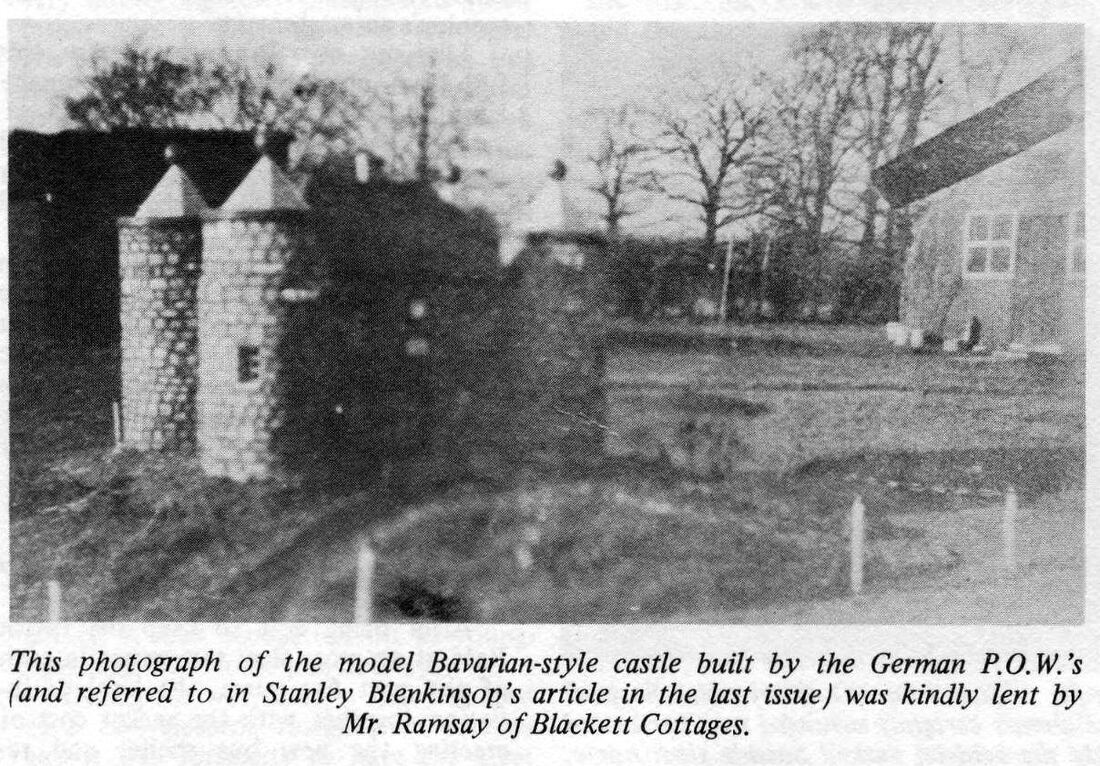
Wylam Globe, Issue 27 (Winter 1979/80)
Photographs from Northumberland Archives, Woodhorn (Link)

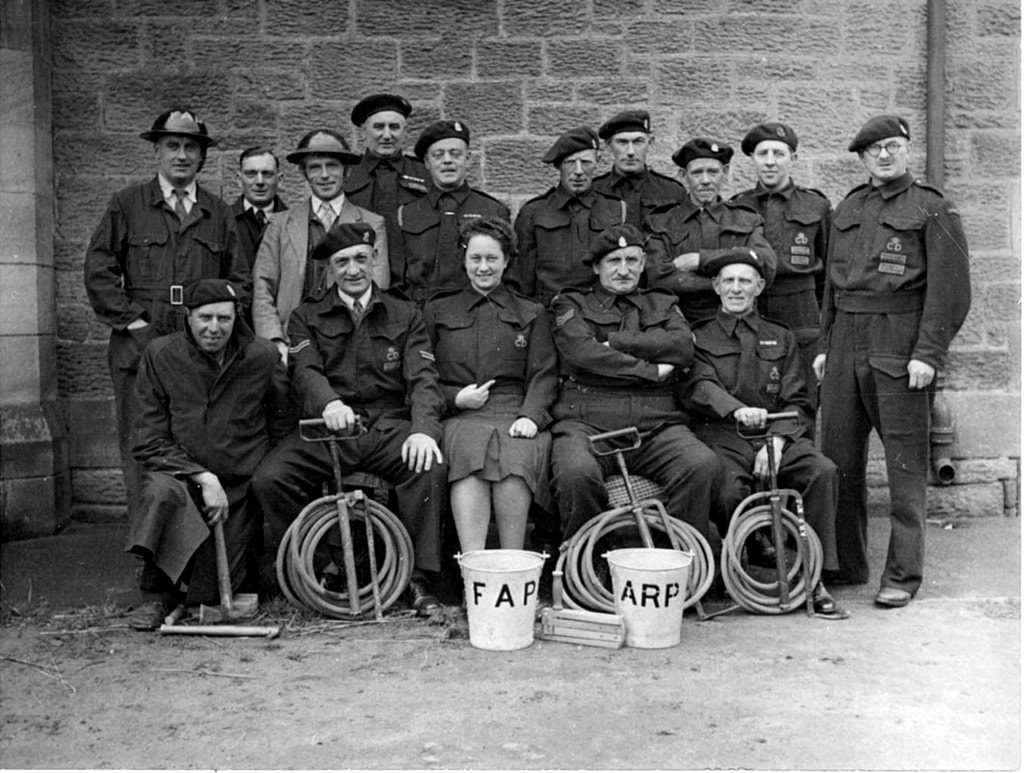



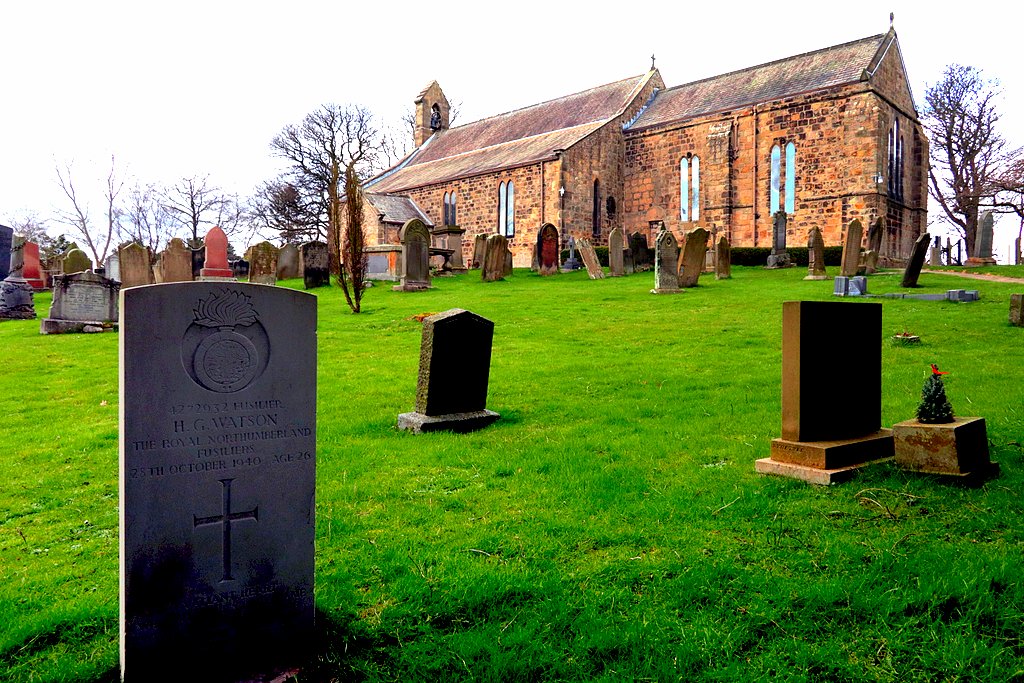
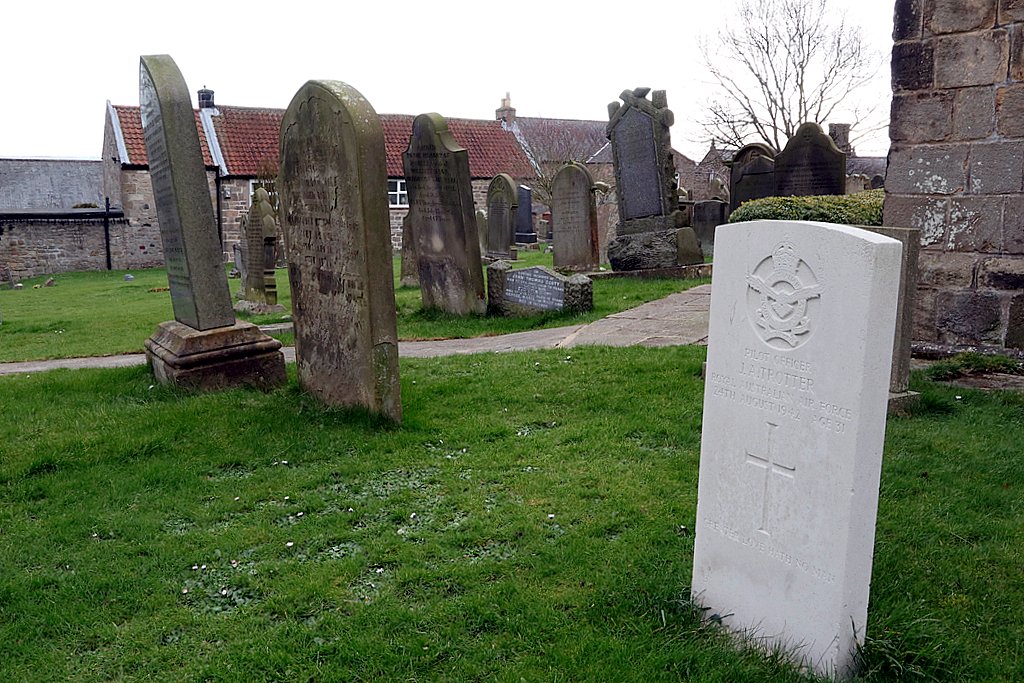
 RSS Feed
